


Stockton Rush became one of the most talked-about names in deep-sea exploration because of his role as co-founder and CEO of OceanGate and his death in the Titan submersible implosion on June 18, 2023. Search interest around “Stockton Rush net worth” grew because readers wanted to understand the wealth behind the man who tried to commercialize deep-ocean travel and sell access to the Titanic wreck.
Rush’s story is bigger than a single number. He came from a prominent San Francisco family, studied at Princeton University and the University of California, Berkeley, built an aviation-and-engineering career, and later pushed OceanGate into the global spotlight. His life mixed wealth, ambition, engineering, adventure, and controversy, which is exactly why people keep searching for his background today.
Quick Facts
| Field | Details |
|---|---|
| Full name | Richard Stockton Rush III |
| Born | March 31, 1962 |
| Died | June 18, 2023 |
| Age at death | 61 |
| Birthplace | San Francisco, California, U.S. |
| Family background | Youngest of five children born to Richard Stockton Rush Jr. and Ellen Davies Rush |
| Grandfather | Ralph K. Davies, businessman and philanthropist |
| Spouse | Wendy Weil Rush |
| Children | Two |
| Education | Princeton University; UC Berkeley Haas School of Business |
| Career highlight | Co-founder and CEO of OceanGate |
| Best known for | Titan submersible and ocean exploration ventures |
Early Life and Family Background
Stockton Rush was born in San Francisco into a family with strong business and civic roots. He was the youngest of five children, and his parents were Richard Stockton Rush Jr. and Ellen Davies Rush. His maternal grandfather, Ralph K. Davies, was a businessman, while his family line also carried historic American connections through the Rush and Stockton names.
That background mattered because it shaped how Rush saw opportunity, risk, and privilege. He grew up around ambition and public life, and those influences later showed up in the way he talked about exploration, innovation, and opening the oceans to more people.
Education and Early Ambitions

Rush studied at Princeton University, where he earned a degree in aerospace and mechanical engineering and graduated in 1984. Princeton sources remembered him as a dreamer and doer with a strong scientific streak, and his classmates described him as energetic, curious, and adventurous. He later earned an MBA from UC Berkeley’s Haas School of Business, adding business training to his technical background.
Even before OceanGate, Rush was drawn to flight, engineering, and extreme environments. He became a commercial pilot at 18 and was known for early aviation achievements. That combination of technical skill and confidence helped build the image of a founder who wanted to push beyond normal limits.
Career Before OceanGate
Before deep-sea tourism became his defining project, Rush worked as a flight-test engineer on McDonnell Douglas’s F-15 program. That role gave him experience with high-performance systems, testing, and precision engineering. It also fed the mindset that later shaped his view of submersibles as machines that could be improved through bold design choices.
He also spent time in the business world and built a reputation as an inventive builder rather than a traditional executive. Friends and former classmates remembered him as someone who wanted to create new things instead of simply manage existing ones. That entrepreneurial streak eventually led him to underwater exploration.
Building OceanGate
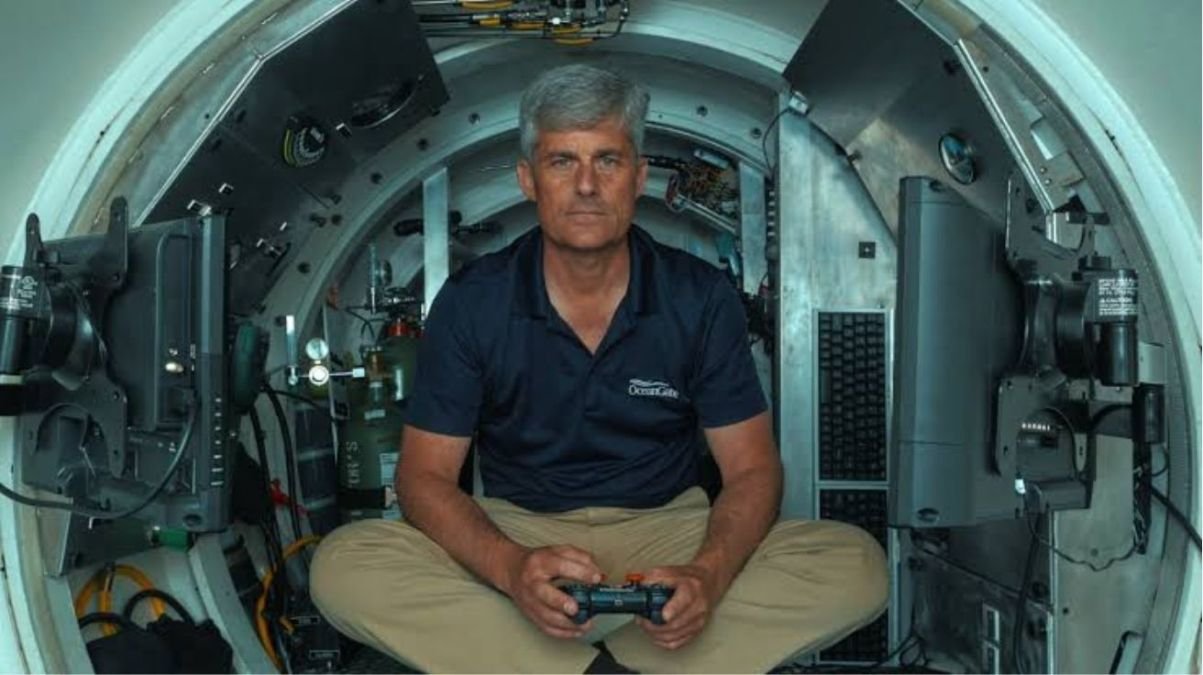
Rush co-founded OceanGate in 2009 with Guillermo Söhnlein. The company focused on crewed submersibles for research, tourism, and exploration, and Rush became its public face and long-term CEO. Princeton later described OceanGate as a provider of manned deep-sea submersibles designed to expand access to the deep ocean.
OceanGate’s most famous vessel was Titan, the submersible that carried paying passengers toward the Titanic wreck. By 2021, OceanGate was taking expedition clients to the site, and the company charged $250,000 per passenger for Titanic dives. That business model placed Rush at the center of a rare and expensive industry that mixed adventure travel with experimental engineering.
Discover more interesting topics on Big Form
Titan, Public Scrutiny, and the Fatal Dive
The Titan project brought Rush enormous attention, but it also drew growing concern from engineers, maritime experts, and former employees. Critics questioned OceanGate’s use of a carbon-fiber hull, its testing methods, and its resistance to outside certification. Those concerns became part of the wider public conversation as Titan voyages continued.
On June 18, 2023, Titan lost contact during a dive to the Titanic wreck. The submersible later suffered a catastrophic implosion that killed all five people aboard, including Rush. A later U.S. Coast Guard report said the disaster could have been prevented and held Rush responsible for ignoring safety warnings, design flaws, and oversight concerns.
Net Worth, Wealth, and Business Context
Searches for Stockton Rush net worth are usually tied to two things: his family background and his role in a high-profile private expedition business. He came from a well-connected family, and OceanGate’s Titanic trips were priced at $250,000 per seat, which shows the premium nature of the operation he helped build.
His wealth profile was shaped by more than just OceanGate. It reflected a mix of inherited advantage, technical education, executive work, and ownership in a company that attracted global attention. That is why readers often approach his profile as both a business story and a personal wealth story.
Personal Life and Family
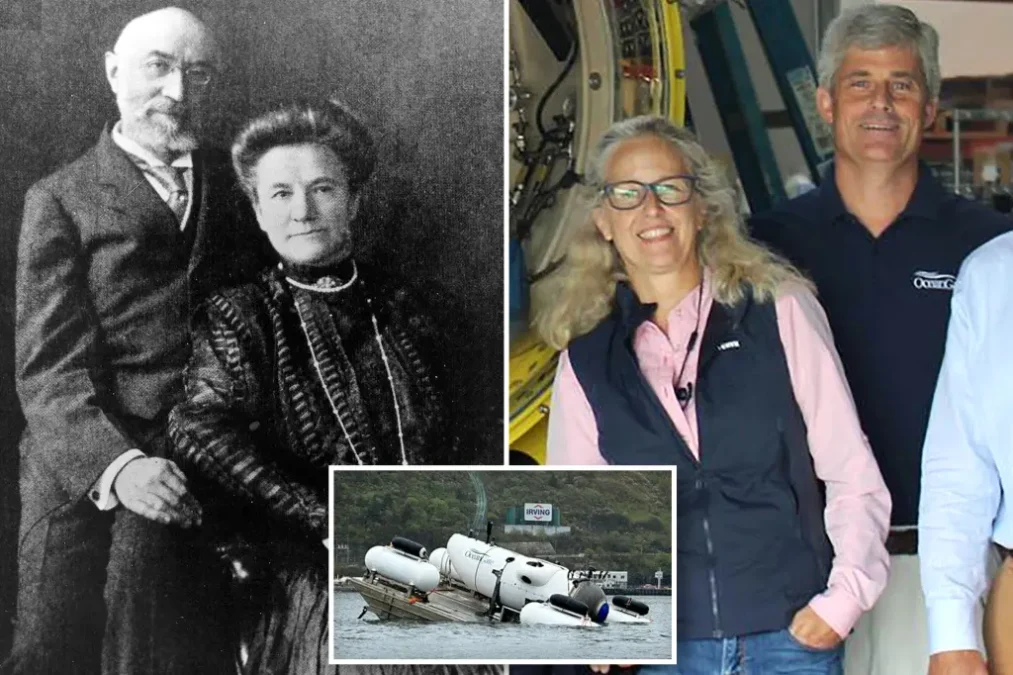
Rush married Wendy Weil in 1986. The couple had two children, and they were connected through Princeton University, where they met. Wendy also worked at OceanGate as Director of Communications, which kept the company family-centered as well as founder-led.
His wife’s family history also drew attention after the Titan disaster because Wendy Rush is descended from Isidor and Ida Straus through one branch of her family. That detail added another layer of historical interest to a story that already linked business, legacy, and one of the world’s most famous shipwrecks.
Public Legacy and Media Attention
Stockton Rush’s legacy now sits at the intersection of innovation and accountability. Admirers saw him as a visionary who wanted to widen access to the deep sea. Critics saw him as a founder who moved too fast, ignored warning signs, and pushed an experimental vessel beyond safe limits. Both views remain part of the public record.
After the Titan tragedy, OceanGate suspended all exploration and commercial operations, and the company’s future changed completely. The disaster led to lawsuits, official investigations, and renewed debate about how private exploration companies should be regulated when they operate outside standard passenger-vessel frameworks.
Digital Footprint and Social Presence
Rush’s online presence was closely tied to OceanGate’s brand, company videos, expedition coverage, and media interviews rather than a celebrity-style personal profile. When the company shut down operations after the tragedy, OceanGate’s public web presence also changed, which made Rush’s digital footprint far less active than that of many modern founders.
In practice, most readers today encounter Rush through news coverage, archival company material, documentary clips, and investigation reports. That makes his social presence part of a wider media trail rather than a normal influencer-like profile.
Fun Facts
- Rush became a commercial pilot at 18 and later said he became one of the youngest jet transport-rated pilots in the world.
- He began scuba diving at age 12, which helped shape his lifelong interest in the ocean.
- He built a Glasair III experimental aircraft in 1989 and continued flying it later in life.
- OceanGate’s Titanic expeditions were marketed as a rare chance to reach one of the world’s most famous wrecks.
- Princeton remembered him as a dreamer, doer, and rigorous scientist with a strong adventurous streak.
Conclusion
Stockton Rush remains a striking figure because his life combined engineering talent, inherited privilege, entrepreneurial ambition, and deep-sea risk. He built OceanGate into a globally known company and pushed the Titan project into the center of public attention.
For readers searching Stockton Rush net worth, the bigger story is not only money. It is the full arc of a man whose career, family, and final venture left a lasting mark on the public conversation about innovation, exploration, and safety.
FAQs
What was Stockton Rush’s net worth?
Stockton Rush’s net worth is linked to his career as OceanGate’s co-founder and CEO, his business ventures, and his family background.
How old was Stockton Rush when he died?
Stockton Rush was 61 years old when he died on June 18, 2023, during the Titan submersible expedition.
Who was Stockton Rush’s wife?
Stockton Rush was married to Wendy Rush, who also worked at OceanGate and supported the company’s communications.
What was Stockton Rush famous for?
He was best known for founding OceanGate and leading Titanic expedition dives using the Titan submersible.
Where did Stockton Rush study?
Stockton Rush earned an aerospace engineering degree from Princeton University and later completed an MBA at UC Berkeley Haas School of Business.
Continue reading: Freya Skye Height and the Latest Update on Her Career Today
